
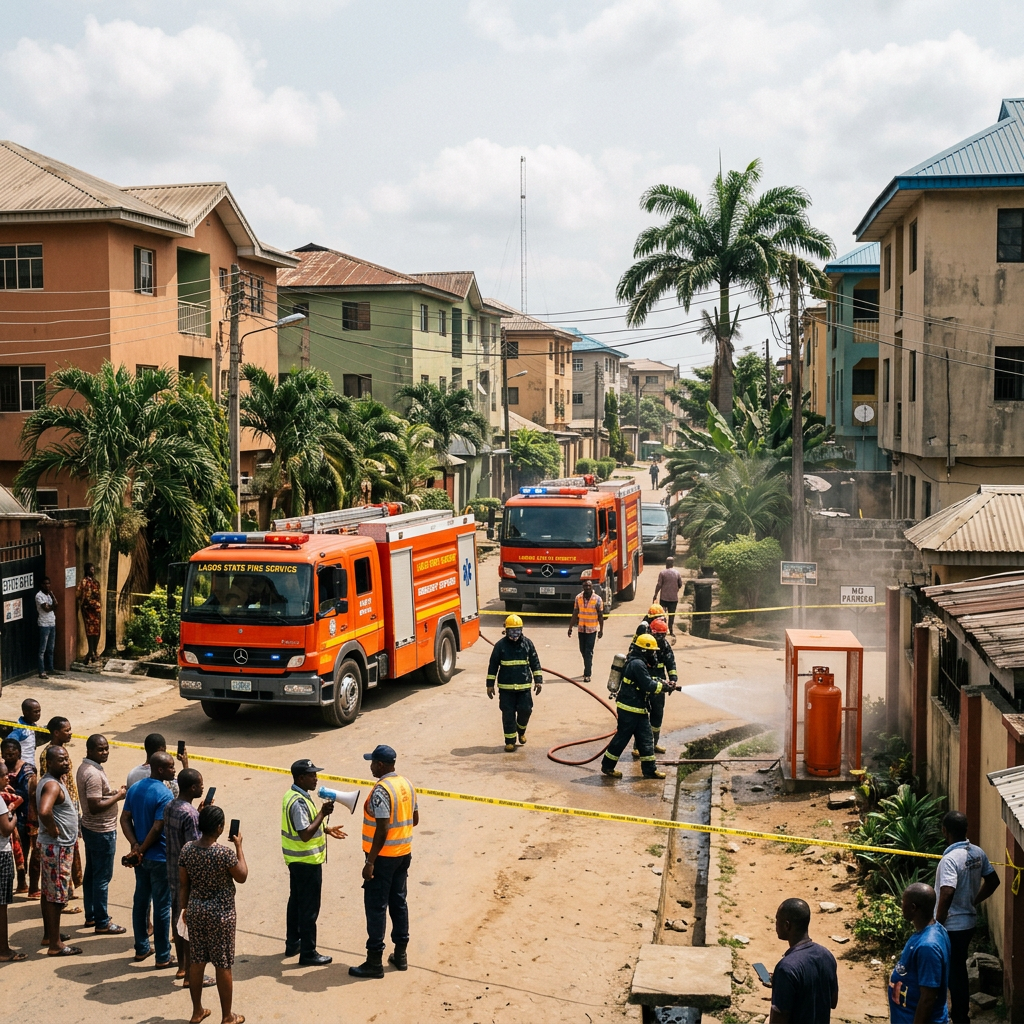
A leaking cooking gas cylinder is a serious emergency that can quickly lead to a fire, an explosion, serious injuries, or even death. In many cases, accidents occur not because of the leak itself, but because someone unknowingly does the wrong thing after detecting the smell of gas.
Knowing the correct actions to take can make the difference between a close call and a tragedy.
First, Stay Calm
If you smell cooking gas or hear a hissing sound near your gas cylinder, do not panic. Panic can lead to poor decisions. Instead, think clearly and follow the safety guidelines below.
❌ DON’TS – Things You Should NEVER Do

1. Don’t Light Matches, Candles or Lighters
This is the most dangerous mistake people make.
Even a tiny flame can ignite accumulated gas and cause a devastating explosion.
2. Don’t Smoke
Never smoke anywhere near a suspected gas leak.
A burning cigarette can ignite leaking gas instantly.
3. Don’t Switch Electrical Appliances On or Off
Avoid operating:
- Light switches
- Ceiling fans
- Television
- Refrigerator switches
- Chargers
- Power sockets
- Doorbells
Many electrical switches produce tiny sparks that are invisible to the eye but are capable of igniting gas.
4. Don’t Use Electrical Fans to Remove the Gas
Although it may seem like a good idea to blow the gas outside, switching on an electric fan may create a spark.
Instead, rely on natural ventilation by opening doors and windows.
5. Don’t Use Mobile Phones Inside the House
If you need to make a call, first leave the building.
Once you are in a safe outdoor location, contact the appropriate emergency services.
6. Don’t Search for the Leak Using Fire
Never use:
- A match
- A lighter
- A candle
- Burning paper
People have lost their lives attempting to “see where the leak is” using a flame.
Always use soapy water instead.
7. Don’t Ignore the Smell
Some people assume the smell will disappear on its own.
Never ignore even a faint smell of gas.
A small leak can quickly become a large one.
8. Don’t Continue Cooking
If you notice the smell of gas while preparing a meal, stop immediately.
Turn off the gas supply if it is safe to do so and leave the area.
Finishing your meal is never worth risking your life.
9. Don’t Attempt Repairs Unless You Are Qualified
Do not dismantle:
- Regulators
- Gas valves
- Burners
- Cylinders
Improper repairs can make the leak worse.
Always leave repairs to trained professionals.
10. Don’t Re-enter the House Until It Is Safe
Even if the smell appears to have disappeared, do not return inside until you are confident the leak has been stopped and the building is safe.
If emergency responders are on the scene, wait until they tell you it is safe to re-enter.
Common Mistakes That Cause Gas Explosions
Many household gas explosions occur because someone:
- Lights a match to investigate the smell.
- Turns on the kitchen light.
- Continues cooking despite smelling gas.
- Switches on an electric fan.
- Attempts to repair the cylinder while it is leaking.
- Ignores a hissing sound from the regulator or hose.
- Uses a damaged hose or faulty regulator.
- Stores gas cylinders in poorly ventilated spaces.
Avoiding these mistakes greatly reduces the risk of an accident.
✅ DO’S – What You Should Do Immediately
1. Turn Off the Gas Cylinder Valve
If you can safely reach the cylinder, turn the valve clockwise to stop the flow of gas.
Stopping the leak at its source prevents more gas from escaping into the room.
If the leak is too large or the valve cannot be reached safely, leave the building immediately.
2. Open All Doors and Windows
Open every door and window to allow fresh air into the room.
Cooking gas can accumulate near the floor and in enclosed spaces. Good ventilation helps disperse the gas and reduces the risk of ignition.
Leave doors and windows open until the smell has completely disappeared.
3. Evacuate Everyone
Ask everyone in the house to leave immediately.
Help children, elderly people, persons with disabilities, and pets to move to a safe location outside the building.
Remain outside until the leak has been identified and fixed.
4. Warn Other People
Inform your neighbours or anyone nearby about the gas leak.
Prevent anyone from entering the house while gas is still present.
5. Call for Professional Help
Once you are safely outside:
- Contact your LPG supplier.
- Call the fire and rescue service if necessary.
- Contact a qualified gas technician.
Never assume the leak has stopped unless it has been inspected.
6. Check the Gas Hose and Regulator
After the emergency has been resolved, inspect:
- The rubber hose
- The regulator
- The burner connections
Replace worn or damaged parts immediately.
7. Test for Small Leaks Safely
If you suspect a tiny leak after reconnecting the cylinder:
- Mix liquid soap with clean water.
- Apply the solution to the hose connections.
- Watch for bubbles.
Continuous bubbles indicate escaping gas.
This is the safest method for checking leaks.
8. Keep Emergency Numbers Nearby
Save the contact numbers for:
- Your gas supplier
- The local fire brigade
- Emergency medical services
- A licensed gas technician
Having these numbers readily available saves valuable time during an emergency.
A Simple Rule to Remember
Whenever you suspect a gas leak, remember these five steps:
- Stop – Turn off the gas supply if it is safe.
- Open – Open doors and windows to let the gas escape.
- Leave – Evacuate everyone from the building.
- Call – Contact your gas supplier or emergency services from outside.
- Wait – Do not return until the leak has been repaired and the area is safe.
Final Safety Message
A gas leak is never something to ignore. One wrong action—such as lighting a match or switching on a light—can turn a manageable situation into a deadly explosion.
The safest response is to avoid anything that could create a spark, ventilate the building, evacuate immediately, and seek professional help. By following these simple do’s and don’ts, you can protect your home, your family, and your neighbours from preventable fires, injuries, and loss of life.
Remember: If you smell gas, don’t investigate with a flame—leave, ventilate, and call for help. Your life is worth far more than your property.

Related topics
Leave a Reply