
Category: Humanities

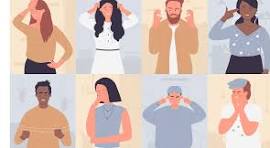
  • Nonverbal Communication

    Nonverbal Communication

    This is the kind of communication where messages are passed without word being spoken or being written. However, nonverbal communication has a great impact on the receivers interpretation of any message.

    In summary

    Nonverbal communications occurs in various forms that includes:

    • Body movements
    • Paralanguage
    • personal presentation
    • Proxemics
    • sign languages

    Body movements

    It is also known as the body language. Our body can send communication to other people without us uttering as a single word. kinesics is the field of study that deals with the ways people use their bodies to communicate or supplement their verbal communications. body movements may includes:

    • posture
    • gestures
    • facial expressions
    • eye contacts
    Posture

    posture refers to how your body is positioned. Your body position can send important messages to people and communicate a great deal about you. For example leaning forward in a conversation shows you r greatly interested and you are giving attention to what is being spoken. Leaning backward could mean disinterest or boredom. if you are standing and you reach a wall or a post for support can signify you are tired and no energy for talking.

    Gesture

    This includes movement of hands, fingers, arms or winking of eyes. For example when talking with your arms open wide can signify honesty and openness while talking when fingers interlocked can be interpreted as nervousness.

    Facial Expressions

    This includes arrangement of facial muscles to send a message. Our facial muscles are flexible and so can be rearranged to portray a certain image for communication purposes. We can stretch or relax our mouth, cheeks, eyes,eyelids, forehead, nose or chin to communicate a known symbol. For instance a folded face can show displeasure or a stretched mouth showing disapproval. Our face is the first point of contact when we meet people and hence likely to be the most observed part of our body. Our facial expressions can be read to decode and interpret our emotional feelings, telling whether we are happy, excited, sad, neutral etc.

    eye contacts

    eye contacts can be used to communicate different messages, for example direct eye contacts can communicate interests, intimacy or confident. diverted or downcast eyes may show intimidation or submission. People can avoid eye contacts with you if they are afraid or feel guilty about something they have done against you.

    Para-language

    This is how we speak like how is our pitch,speed of talking, how loud are we and quality of our voice. When we are frightened,anxious or excited, the pitch our voice can rise but it is lower when we sound more powerful or authoritative.

    Volume

    Refers to relative softness or loudness of our voice. Some people talks with loud voice and others in low tones. There are people that feels intimidated by people talking too loudly and others find it hand to concentrate on a speech given in low tones. Volume can be determined by the communication environment. Like in noisy places, even people that talks with low voices could be speaking with high voice because they are trying to raise their voice above the voices in the environment while in quite place, you feel to be in more control and hence you lower your voice.

    Rate

    Rate in speech could be used to mean how many words are given per unit time. People who thinks very fast tends to talk very fast but people who process information slowly will find it difficult following a fast talker.

    Voice quality

    some people has better and pleasant voices than others. A voice could be harsh, calm, strident, soothing etc.

    personal presentation

    How we groom ourselves can determine how we will be perceived by our audience especially when meeting them for the first time. If we appear dressed nicely, it can show we are resourceful, respectable, reliable and organized. If we dress shabbily, it can show we takes things casually or we lack seriousness with our things.

    Grooming habits communicates a great deal about who we are and how we want to be perceived. People can decode different messages based on our hair length, makeups, cologne and perfumes, length of our nails and how we have have painted them, how shiny is our shoes etc

    Touching

    social psychologists argues that touching is the most intimate form of nonverbal communication. Touching means how we use our hands towards the other person

    Proxemics

    It is the study of how we use space. It is attributed to the work of Edward hall in his book, “The Hidden dimension”. Edward argues that, taking a case of two people in a conversation, our personal space can be broken into four zones that includes:

    • Intimate distance(0-18 inches
    • personal distance(18 inches-12 feet)
    • social distance(4 feet – 12 feet)
    • public distance(12 feet – 25 feet)
    Intimate distance

    It is a distance reserved for intimate activities including love making, intimate or confidential conversations, hugging, kissing and snuggling.

    Only our most intimate relationships are permitted in this distance from us and if an invited person invades this space,we usually moves away slightly to maintain the distance. When a stranger invades this distance, we feel threatened and we develop flight or fighting instincts causing us to increase distance between us and them or try to push them away when we are not able to move.

    Personal distance

    It is the distance reserved for conversations with family, friends and close acquaintances. It is a distance that we allow people we feel comfortable with.

    Social distance

    It is the distance we are most comfortable when interacting with people in a way that is not intimate. It is the distance we maintain when interacting with people on a day to day basis for example when transacting business, having meetings, eating in hotels, sitting in bank halls, when talking to police etc.

    public distance

    it is the distance used for public ceremonies, speeches, large group meetings and class lectures. If the distance is greater than 25 feet, communication is characterized with shouting and exaggerated nonverbal gestures. The distance our ears can comfortably receive messages passing through air is quite limited and is subject to distortion from noise and other physical hindrance like diversion and absorption by physical objects.

    sign language

    It involves the use of hands to make symbolic gestures which have specific meanings. Sign language is a skill and a field of study taught in colleges in order to help the people with hearing impairments communicate with the world

    Functions of non-verbal communication
    • Message reinforcement or supplementation of verbal messages
    • negation of verbal messages
    • substitution of verbal messages (when talking is not possible or not allowed)
    • message accentuation (putting emphasis)
    • message regulation (controlling a conversation)

    Importance of nonverbal communication

    • have almost an instant effect because of quicker grasp by the receiver. Speed in conveyance and response makes non-verbal communications very useful in situations like traffic control by police
    • aids verbal communication. By use of nonverbal symbols, a large amount of complex data can be presented in a compact form so that large message can be communicated with just few non-verbal cues.
    • Response to visual symbols and images is usually more powerful than spoken language.
    • It is the best method to communicate with illiterate people or people that don’t understand your language. For example illiterate drivers can understand road signs and directives with non-verbal traffic signals.
    • Helps the hearing impaired communicate, learn and be able to work.
    related posts

  • Importance of social psychology

    In this lesson, we will discuss important reasons why one may need to be familiar with social psychology as a discipline.

    Because we are social being, we are involved in social psychology analysis in one way or another, consciously or subconsciously.

    Some of the few reasons why social psychology is taught in schools includes:

    To improve the accuracy in predictions of human behavior

    Most of conflicts we encounter when interacting with each other can be reduced when we understand that others behave the way they do because of underlying factors that has affected their lives.

    Understanding the theory behind their habits can equip us to better manage each others behavior. As an example, many marriage counselors grapple with problems whose origin can be traced to gross failure in the couple’s inability to predict and understand their behavior and interaction.

    Social programs that could result to huge benefits to societies like reducing poverty, crime prevention and conflict resolutions has failed because their originators were inadequate with understanding of the basic principles of social interaction.

    Could help reduce the dysfunction results of interactions

    Social psychology helps us in understanding social behavior and such knowledge can help us, not only individuals behavior but also in determining ways of interacting with them.

    Enables us understand better methods used to influence people

    Social psychology enables us to acquire better understanding of the methods used by powerful or knowledgeable individuals and groups to influence others.

    By developing a systematic statements of our social psychology knowledge and use of scientific data, we can encourage the wide spread sharing of social skills for the benefit of all.

    Study of Social psychology gives structured understanding of one another hence helping us develop clear understanding of how people affect one another.

    Be able to tackle mental illness

    Most of mental healthy problems can be traced from social interactions with others such as conflicts with the loved ones, death of people close to us, being married, family problems, work or professional relationships, comparing ourselves with neigbours, feeling rejected by other people, trying to fit in a group, people gossiping about us,people’s expectations on us,etc.

    Understanding social psychology can help a counselor deal with such issues much easier.

    Marketing

    Social psychology can be used in social engineering so as to change people’s view on a product being sold. A social psychologist can be useful in a marketing department of an organization in developing of adverts and hence increase productivity of the sales team. Adverts and products can be represented in a way that reflects peoples inherent behavior in a crowd and hence becomes more appealing to them.

    Management

    Managers opt to understand social psychology so as to create a social environment that can create motivating environment to the team members. Understanding social psychology can help a manager become better leader as it will help them become more empathetic to the employees and maintain better working relationships.

    parenting

    Parents that understands social psychology will be careful with social environments they create for their children because they understand how such environments can shape the future long life behaviors of the children they are trying to raise. Parents will also be able to detect change of social life of their children from their change of behavior.

    Creating and maintaining relationships

    Relationships with your spouse, friends and family members can be made better by standing sociology because we will approach each other with understanding.

    Social psychology is important to some few areas in which it has direct applications. Such fields includes:

    Education Psychology

    It is a branch of pyschology concerned with questioning, examining, measuring and analyzing behavior related to learning withing a school or classroom environment. It also deals with child growth and development as we will encounter in future lessons.

    clinical Psychology

    This is the application of psychological knowledge, methods and techniques in treatment of mental disorders. A clinical psychologist can diagnose mental illness using psychological testing and work closely with psychiatrists who have different roles from that of clinical psychologist.

    Social Psychology is built on two key assumptions:

    1. All behavior occurs within a social context

    It assumes that people are sensitive and always responds to other people’s feelings, thoughts and behavior. For example, you gets irritated with people that behaves badly.

    Another example is the study of empathy where we tend to be highly responsive to other people’s pain and before we realize it, we express emotions and other bodily states that drives us to act towards helping them.

    Another example is the study of social interactions between strangers. Often, before we even realize it, we have formed an impression of one another often based on superficial qualities. For example men with baby-face are trusted more than people with pointier faces.

    2. A major influence on people’s behavior, thoughts and feelings are other people and society.

    As social species we are always influenced by those around us and we always in turn influence those around us and this happens in all levels of social interactions.

    Individuals have an influence over us through social power and obedience.

    Society and groups always demand conformity of it’s norms and beliefs to every person that would have claim to be membership of the group nor the society. Most often, those that would not obey rules of the group are punished by ex-communication or other forms of punishment.

    What a society believes in is always considered more power superior as opposed to individuals point of view. Furthermore we usually behaves differently when we are in groups as opposed to when we are alone. For example when we engage in picketing, strike of football hooliganism.

    The assumption of the social approach to psychology is that people acts in a way so as to fit in a group mostly because failure to adhere to societal rules is regarded as abnormality and an acceptable especially in collectivist cultures. Thieves, rapists, lunatics, drug addicts and other social misfits are considered abnormal not because of their thoughts and actions, but because what they do does not fit into expected behaviors for the members of their community.

    Conclusion

    Social psychology is important because human beings are social in nature.You cannot separate human beings from social aspect of life and there are usually many contexts of social interactions

    We are born and develped in social environments and we shapes our behaviors to fit into those social environment into which we find ourselves in.Individual’s behavior is majorly dependent on their social environments.

    The way we see others, and the way we think they see us, can have a big impact on our thoughts, feelings, behaviours and decisions. Study of social psychology helps us understand how these factors can influence us as individuals or as a group.

    Related Topics

    Introduction to social psychology

    References:

    Sociology for healthy sciences, Zerihun Doda, M.A. Debub University.

    sociology, RAJIV Gandthi University Arunachal Pradesh, India.

  • Social Psychology

    Human beings are essentially social beings.As we stay with others, our actions, thoughts and feelings are affected by them.

    when we are stayed next to a stranger; even though we may never be be able to talk to them, our minds thinks about them and our behavior at that moment will be dictated by the presence of the stranger. For example we are likely to avoid any behavior that may cause a stranger to think negatively about us. 

    We also influences behavior of others and this consists a large amount of human behavior. As an example, we always dress thinking about the people we will meet and how we want them perceive us.That is why you dress differently for an interview from the way you dress for a date. If we are not affected by other people around, we could as well walk into office with our night dress and continue working unbothered. But we cannot endure the unusual reaction from others and even possible disciplinary action against us for indecency. We are afraid walking naked because people will perceive us as mad or abnormal, yet some of us can comfortably walk around in nudity when inside our house undisturbed.

    A large part of human behavior is determined by his social environment and this explains the importance of social psychology.

    The scope of social Psychology is wide and may constitutes:

    • Social cognition
    • social perception
    • attitudes
    • self awareness
    • stereotyping
    • prejudice and discrimination
    • interpersonal attraction
    • close relations
    • social influences
    • pro-social behavior
    • aggression
    • group and individuals
    • etc

    We will be discussing most of this topics in this unit.

    This lesson aims at helping you understand social behaviors and motivate you to want to understand yourself and others and create better and more successful relationships.

    It could also help you in your course if your are a students in field of psychology.

    Definitions

    Social psychology is the scientific study of the manner in which the personality, attitudes, motivations and behavior of the individuals influences and is influenced by social groups.

    Social psychology is the discipline that uses scientific methods in an attempt to understand and explain how thoughts,feelings and behavior of individuals are influenced by the actual, imagined or implied presence of other human beings. (Gordon Allport,1954).

    Social Psychology is the scientific study of how people think, influence and relate with one another. (Myers and Spencer, 2006).

    Social Psychology is the scientific field that seeks to understand the nature and cause of individual behaviors and thoughts in social situations. (Barron and Byrne, 2007)

    Key questions in social psychology
    • what influences our point of view about a subject
    • what causes people to have a certain attitude
    • what has caused us to adopt certain ideas and values
    • why people acts ways considered irrational
    • what causes our fears towards what others will think about us

    Interactions

    Interactions with other people affects all aspects of human behavior from infancy through old age.The important people in our lives shapes our emotions, thoughts, personalities an our perceptions. We usually consider the mentioned traits as private and solitary events yet they are affected and influenced by our interactions with others.

    Behavior

    Behavior is something that can be observed about us.

    Behavior refers to gross motor activities like running, walking styles, arranging things etc and actions such as smiling, crying, putting on sad or happy face or how we talk.

    In social psychology things like feelings, thoughts,beliefs,attitudes, intentions and goals may not be observable directly but can be inferred from our behavior. Our actions are as a result of what is going in inside us; our feelings, our believes, our thoughts, our fears, our passion. These none-observable processes inside us are always working to influence what are going to do.

    social psychology is studied in social context as it deals with how people are affected by other people who are physically present around them. For example our best friend may influence us to dance in a party even though we are shy. Excitements in a crowd can cause us to do things we can never do when we are alone. A person who is usually reserved and calm could be shouting during picketing because of the influence he is getting from the crowd. A lady who is usually shy may drink bear in a party because she fear being labelled coward or reserved.

    Our social environment can sometimes be imaginative rather than real. Take for instance somebody preparing for a date, a lot of things could be running through their mind. They will imagine their reactions when they meet the person, they may think about people around their meeting restaurant or they could be thinking about discussions they will hold about the date with their friend among other things.

    Our earlier experiences with other people can also affect our behavior, for example if we had ever be laughed at when we did something silly, we will be cautious when in the crowd.

    If we comes from a home where parents were very strict and particular about cleanliness, we are likely to keep our environment very clean even when nobody watching.

    illustrations of how we affects each others mind and thoughts
    Themes common in social psychology
    • Interpersonal trust
    • human cooperation
    • social justice
    • forgiveness and revenge
    • self-regulation
    • culture e.t.c
    Conclusion

    Social psychology deals with the factors that leads us to behave in a certain way in the presence of others and looks at the conditions under which certain behaviors and feelings occur.

    Social psychology has something to do with the way feelings, thoughts, beliefs, intentions and goals are constructed and how such psychological factors in turn influences our interactions with others.

    Glossary:

    ConformityChanging your behavior to go along with the group even if you do not agree with the group
    ComplianceGoing along with a request or demand
    Normative social influenceConformity to a group norm to fit in, feel good, and be accepted by the group
    Informational social influenceConformity to a group norm prompted by the belief that the group is competent and has the correct information
    ObedienceChanging your behavior to please an authority figure or to avoid aversive consequences
    Group-thinkGroup members modify their opinions to match what they believe is the group consensus
    Group polarizationStrengthening of the original group attitude after discussing views within a group
    Social facilitationImproved performance when an audience is watching versus when the individual performs the behavior alone
    Social loafingExertion of less effort by a person working in a group because individual performance cannot be evaluated separately from the group, thus causing performance decline on easy tasks

    Related Topics